‘Health & Fitness’ Category

  1. You Don’t Have to Be a Dancer to Start Dancing

    January 30, 2026 by Joo-Lee

    When I turned 30, which feels both like yesterday and a lifetime ago, I had one of those thoughts many people recognise.

    I really should do some exercise.

    Like a lot of people, a milestone birthday made me think about my health and wellbeing. The trouble was, I’d never found any kind of exercise I actually enjoyed. I didn’t like sport — I never understood the rules, I wasn’t competitive, and I definitely wasn’t interested in exhausting myself just for the sake of it.

    And just to be clear — I didn’t consider myself a dancer.

    Apart from a brief and fairly disappointing spell with ballet at the age of eight, dancing wasn’t something I did. I certainly wasn’t the person who got up and danced at parties. If there was dancing happening, I was usually quite happy watching from the sidelines.

    I tried the gym briefly in my late twenties, but it didn’t stick. The repetition bored me and I felt disconnected from what I was doing.

    What I did know was that I loved music.

    So I thought, why not try dancing?
    It felt like it might combine movement, music — and hopefully meeting people too.

    Discovering Lindy Hop

    I started by going along to Dance City in Newcastle, where you can try lots of different studio classes. I sampled a few styles, then discovered partner dancing — first modern jive, and shortly after, Lindy Hop.

    Not long after that, a London group called the Jiving Lindy Hoppers came to County Durham to run a week-long workshop. That week changed everything.

    I completely fell in love.

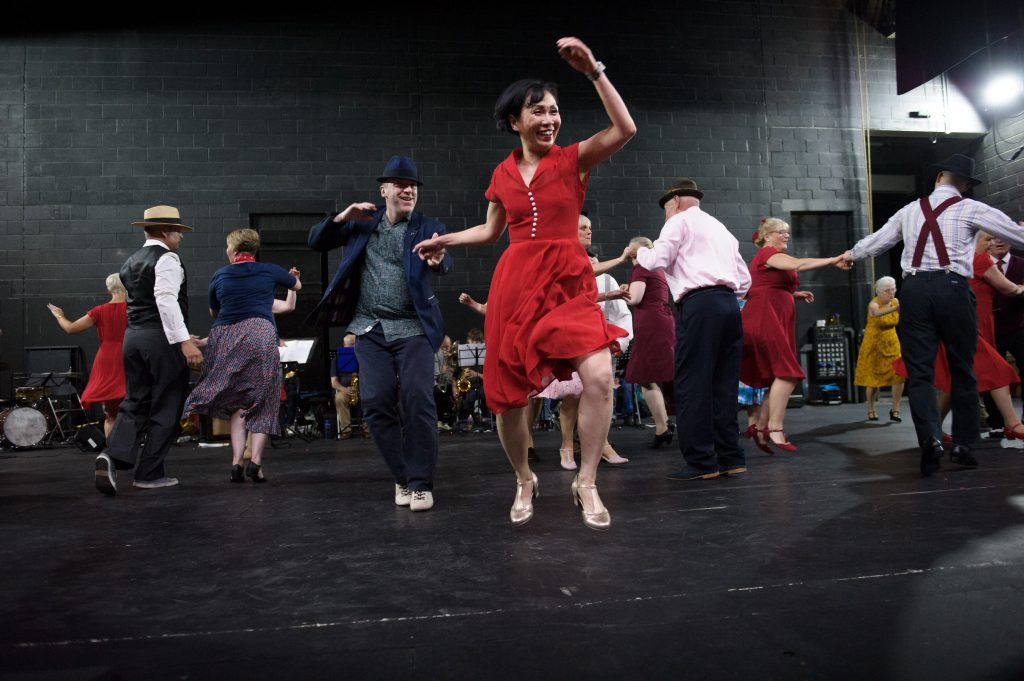
    Lindy Hop felt joyful and free. It didn’t feel formal or intimidating. It wasn’t about perfect lines or being watched. It was social, playful, and rooted in music. You danced with lots of different people, and it felt like a genuinely useful life skill — something you could do at parties, weddings, or whenever there was live music.

    Best of all, it didn’t feel like exercise at all.
    Which meant my motivation skyrocketed.

    When There Was Nowhere Local to Dance

    At the time, there wasn’t much Lindy Hop happening locally. Once that week-long workshop ended, I couldn’t find anywhere nearby to continue.

    I was a schoolteacher then, and while I enjoyed studio classes, nothing matched the spark I’d felt through Lindy Hop.

    So I started travelling.

    I went to Edinburgh and London — two or three hours away — just to dance. Along the way, I made friends who shared the same love of music and movement, and many of those friendships have lasted to this day. I still travel to Edinburgh now to dance with people I first met all those years ago.

    Eventually, in 2007, Andy and I decided to create the thing we wished had existed locally.

    Quite simply, we wanted the chance to dance with others in our own community and share this joyful dance in the North East. Andy also wanted the chance to DJ the swing music he loved — music that seems to lift you onto the dance floor before you’ve even thought about it.

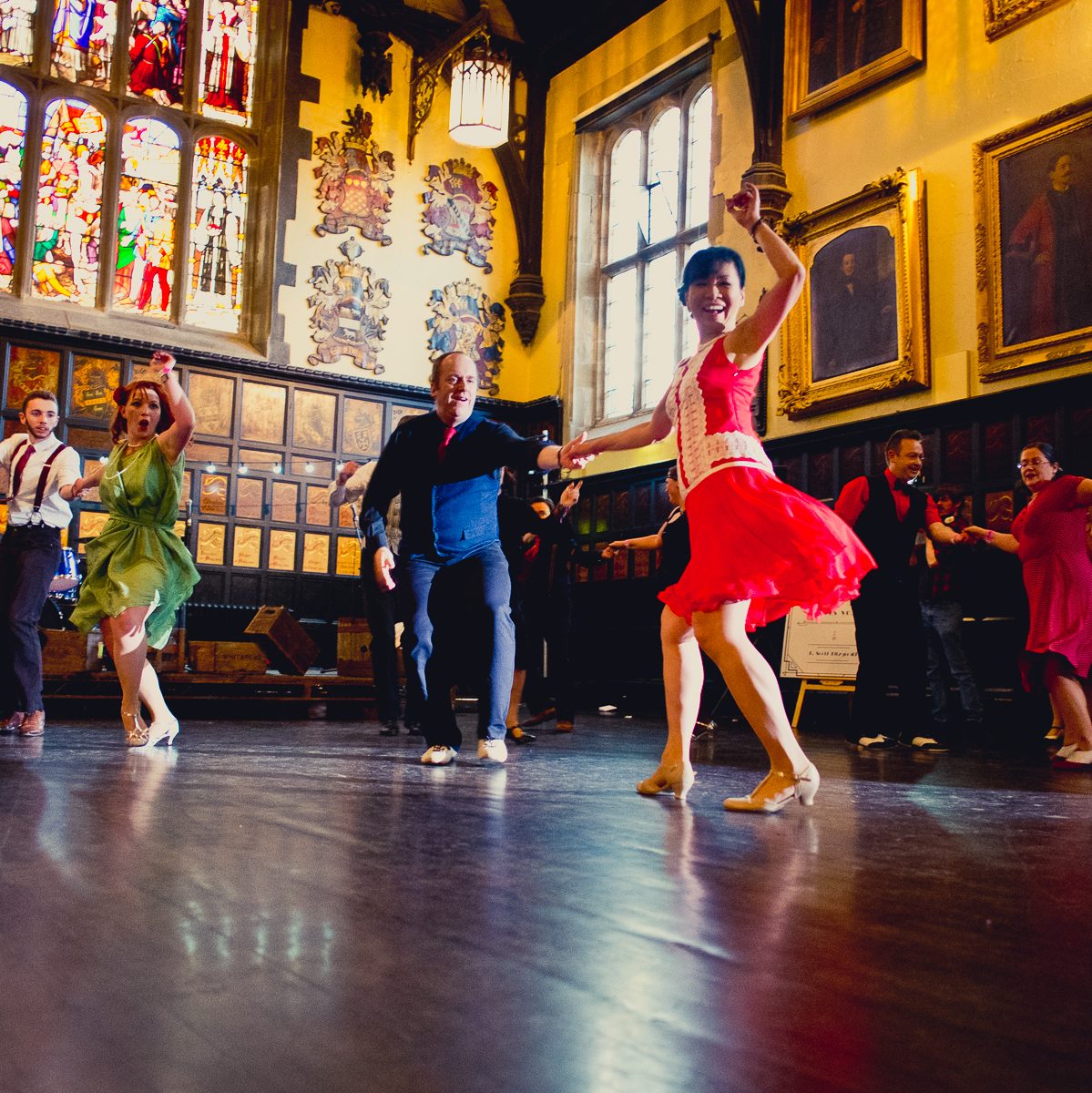
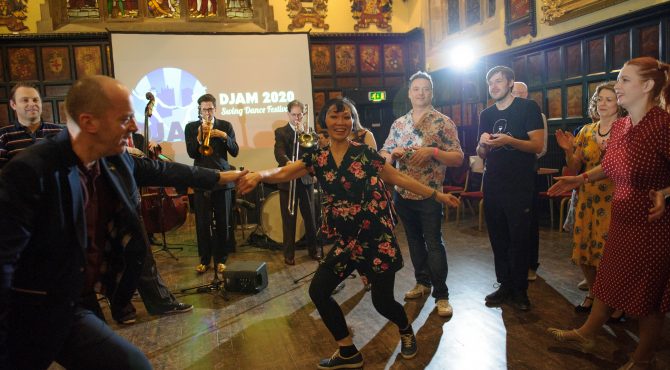
    What began as a single class of around 40 people grew over time into a thriving community, including the DJam Swing Dance Festival, which welcomed around 400 dancers each year.

    How Dancing Changed Me (More Than I Expected)

    Looking back, I don’t think I realised how sociable I actually was until I started Lindy Hop. People who knew me earlier might even say I was quite shy.

    Learning this dance quietly but completely changed my social life — in the best possible way.

    Lindy Hop only works if you dance with other people, so confidence grows naturally. You’re not put on the spot. You’re not performing. You’re simply sharing a few minutes of movement and music with someone else.

    You meet kind, friendly people who love the same things you do, and over time, that changes how you see yourself.

    I still wouldn’t describe myself as someone who loves exercise.
    But I do love dancing.

    Why I Still Believe Lindy Hop Is Worth Trying

    That’s why I still believe so strongly in Lindy Hop — and why we run Lindy Jazz the way we do.

    You don’t need rhythm.
    You don’t need a partner.
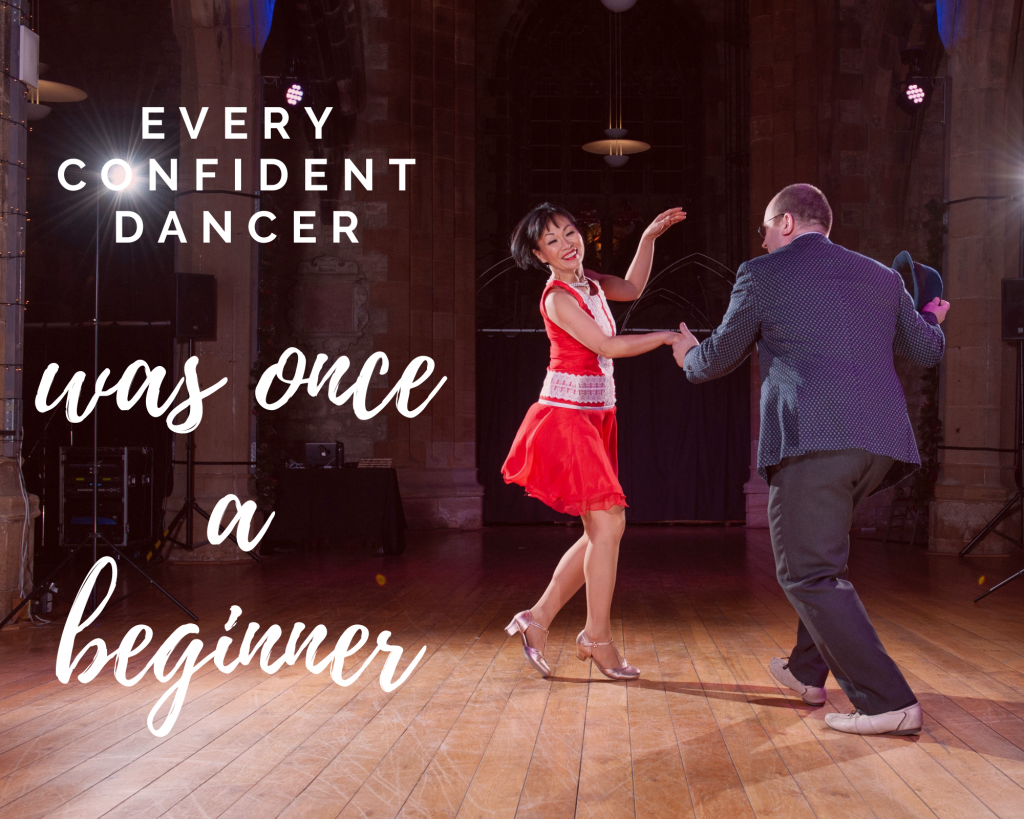
    You don’t need to be “a dancer”.

    You don’t even need to feel confident.

    You just need a little curiosity and a willingness to give it a go.

    If you’ve ever thought “I should do some exercise” but nothing has ever quite felt right…
    If you love music but don’t see yourself as a dancer…
    If you’d like something sociable, joyful, and gently confidence-building…

    You don’t have to be a dancer to start dancing.

    Check out the next Lindy Jazz course here.
    If you’re curious, you’d be very welcome to join us!

  2. Notes from Last Night’s Lindy Jazz Class

    January 29, 2026 by Joo-Lee

    (aka: Things We All Do… and Can Laugh About Together)

    Last night’s class was a cracker — lots of smiles, plenty of “aha!” moments, and a few gentle reminders that are well worth sharing. So here they are, served with kindness, encouragement, and a pinch of humour.

    Followers: let’s talk about jockey position

    One little habit that sneaks in is hanging back or slowly drifting backwards when you’re in jockey position. It can feel subtle, but here’s what happens:

    If you drift back, the leader’s right arm (behind your back) starts working overtime — and not in a good way. When you stay comfortably present (not leaning, not escaping), everything suddenly feels lighter, clearer, and easier for both of you.

    Confidence: a tiny mindset shift that changes everything

    Instead of asking:

    • “Am I doing this right?”
    • “Am I good enough?”
    • “Is this wrong?”

    Try asking: “How can I make this easier for my leader?”

    Why? Because confidence isn’t about self-inspection — it’s about responsiveness.
    When you hesitate, hover, or second-guess, your body literally becomes harder to lead. When you’re present and available, the lead has something to work with.

    Eyes up, shoulders open (and yes… stop staring at the floor….)

    Looking at the floor is very tempting — we all do it. But it affects more than you think:

    • Your balance suffers
    • Your shoulders close and hunch forward
    • You feel less stable and less connected

    When you look at your partner:

    • Your shoulders naturally open
    • You feel more balanced
    • You look more confident (even if you don’t feel it yet!)

    Connection improves instantly. Magic? No. Just physics and humans.

    Leaders: you’re not failing — you’re learning

    Some leaders shared that they felt they “weren’t leading well” because they didn’t always get a response from their follower.

    So I asked a very important question:
    “And when did you qualify as a Lindy Hop assessor?” 😉

    Think about this:
    Andy and I can dance easily with all of you, our class members because we have years of experience adapting. That skill doesn’t arrive overnight. It grows slowly, through dancing with many people, many times, with curiosity and patience.

    Right now:

    • Don’t expect your partner to fully adapt to you
    • Don’t expect yourself to fully adapt to them

    That comes later. And it will come.

    The one thing that helps everyone — immediately

    Connection.
    And the simplest form of connection is… looking at each other.

    When you connect:

    • You respond better
    • You adapt more easily
    • You relax
    • You enjoy yourself more

    And remember — you are dancing with good friends, in a supportive room, where everyone is learning and cheering each other on.

    Final reminder

    You are:

    • Dancers
    • Students
    • Humans learning something new

    You are not:

    • Examiners
    • Judges
    • Qualified Lindy Hop assessors

    So please… stop marking your own homework.
    Start dancing. Start smiling. Trust the process.
    And most of all — enjoy yourselves.

    See you on the dance floor 💃🕺


  3. The Secret to Happy Dance Partnerships: Encouragement, Not Instruction

    March 13, 2025 by Joo-Lee

    When couples decide to take up Lindy Hop together, it can be a wonderful shared experience—full of fun, laughter, and new discoveries. But as with many things in life, learning to dance as a couple comes with its own unique challenges.

    At Lindy Jazz, we recognise that many beginners feel safer sticking with their own partner, and that’s completely understandable. The thought of not knowing if you’ll keep up or do well in class can feel uncomfortable—or even terrifying. But we want to assure you that the culture of our classes is friendly, welcoming, and supportive. We are here to dance and to help one another.

    That said, one of the best ways to make the most of your dance experience is to consider the idea of dancing with different partners. This teaches you to listen through movement, respond to different styles, and develop the essential skill of improvisation. But we also want you to feel comfortable—so while we encourage it, we never insist on it. You are always welcome to learn in a way that feels good for you.

    The Good Intentions That Backfire

    If you’re the more experienced partner, it can be tempting to help your other half by offering tips, corrections, or explanations. After all, you just want to make things easier for them, right? But in reality, this often has the opposite effect.

    By stepping into a ‘teacher’ role, you may end up presenting the material differently from the class instructors, causing confusion or even contradicting what’s being taught. This can disrupt the lesson, overwhelm your partner, and—most importantly—take away their chance to learn and progress at their own pace.

    Many beginners find being corrected by their partner frustrating or discouraging. They might feel self-conscious, pressured, or simply exhausted by the constant feedback. In fact, this kind of ‘help’ is one of the most common reasons why new dancers hesitate to return to class.

    The Best Way to Support Your Partner

    If you truly want your husband, wife, partner, or family member to enjoy learning and stick with it, the best thing you can do is give them space to learn.

    ✔️ Smile warmly and encouragingly—your partner is already trying their best.
    ✔️ Let them make ‘mistakes’—it’s all part of the process & we all make mistakes anyway.
    ✔️ Allow them to stumble and discover things for themselves—this builds confidence.
    ✔️ Trust the teachers to do the teaching—that’s what they’re there for!

    And most importantly, if you really want to help, encourage your partner to dance with others. This may feel counterintuitive, but dancing with different partners helps them develop adaptability, connection, and confidence much faster than only dancing with you.

    Dancing Together, Learning Independently

    If you love dancing and want your partner to keep learning and enjoying it too, remember that the best support you can offer is patience, positivity, and a willingness to let go of control.

    At Lindy Jazz, we’re here to help you both on your dance journey—without any ‘dance domestics’ getting in the way! 😉

    💃🕺 Want to join a class where you both feel supported? Come and dance with us!


  4. What Makes Me a Confident Social Dancer

    March 9, 2025 by Joo-Lee

    Lindy Jazz Events

    Last weekend, Andy & I were teaching a private lesson, and one of the biggest advantages of private lessons is that students can ask for specific tips, tricks, and techniques based on their own goals. One common concern that comes up, especially among Lindy Hop dancers, is feeling nervous or inadequate when dancing with someone more experienced. Yet, they also know that to improve, it’s important to dance with partners of all levels.

    For followers, a common worry is not being able to keep up with every single move, improvisation, or decoration their leader introduces. My advice? If you want to be a confident dancer—be yourself. You don’t need to mirror, or creatively respond to every movement. The reason I feel confident as a dancer is that I keep my movements simple, with a strong foundation in the basics. I focus on the music and the feeling of the dance rather than overthinking every step. If you’re constantly thinking instead of feeling, your dancing can become less spontaneous and less responsive.

    This applies especially to Lindy Hop, where social dancers often improvise to different songs, including unfamiliar ones, and dance with partners they’ve never met before. For leaders, a similar concern arises—feeling pressure to lead a vast repertoire of moves. My advice? You guessed it—keep it simple. If you want your partner to enjoy the dance and follow you comfortably, focus on solid fundamental techniques and clear movement.

    Confidence Comes from Strong Foundations

    Confidence doesn’t come from knowing endless flashy moves—it comes from having rock-solid fundamentals. These techniques may seem basic, but like any foundation, if they’re shaky, your confidence will be too.

    That’s why at Lindy Jazz, we focus on building strong foundations so you can feel confident, relaxed, and free to enjoy social dancing.

    💃🕺 Ready to build your confidence on the dance floor? Why not join us for the next course?


  5. Seize the Dance Floor: A Holiday Lesson in Swing Dancing

    January 5, 2025 by Joo-Lee

    Imagine this: you’re on holiday, and every evening, you see a couple swing dancing to a live jazz band. Their energy and connection are captivating. What would you do?

    Would you head to the bar for a bit of courage before asking them to dance? Watch in admiration but decide not to interrupt because they’re a couple? Or maybe, after a few nights, you’d finally muster the bravery to give it a try—if others were already on the floor.

    Now add this twist: there are six nights of live music left, you know a few swing moves, and the dance floor is empty. No one is watching too closely—you’ll likely never see these people again. Would you take the chance?

    Our Swing Dance Holiday Experience

    We danced every night on our recent trip without a care in the world, soaking up the joy of live music. By the sixth evening, a lovely young woman, brimming with enthusiasm, approached us. She asked if we’d dance with her and even sought my permission to ask Andy for a dance—a sweet and thoughtful gesture.

    When a lively tune started, I invited her to join me for some solo jazz. Although she had never tried it before, she jumped in, copying my moves with a radiant smile. Afterwards, she asked Andy for a Lindy Hop, explaining how rare it was to swing dance back home. Her joy was infectious, and the three of us shared a wonderful moment of connection through dance.

    She later told us about her holiday with her family, where this brief escape into swing dancing had been a highlight. It was a reminder of how much joy simple, shared moments can bring, even among strangers.

    What We’ve Learned from Dancing on Cruises

    Over the years, we’ve discovered a few truths about dancing on holidays:

    1️⃣ The perfect moment might not last. A band might play incredible music one night and shift styles entirely the next. Or, as we experienced, a lead singer could fall ill, changing the group’s vibe entirely.

    2️⃣ You might not see that couple again. Ships are big, and people’s schedules rarely align.

    3️⃣ No one is judging your dancing. Most people are simply impressed you’re dancing at all!

    4️⃣ Opportunities are fleeting. That perfect mix of music, mood, and moment might never come around again.

    Our Blissful Moment

    On this cruise, we stumbled upon the best jazz band we’ve ever encountered on a ship. For one magical 45-minute set, we danced to every song they played, fully immersed in the music and the moment. It turned out to be their last performance of those songs.

    That experience reminded us of an essential lesson: seize the moment when it comes. Whether it’s dancing, trying something new, or simply stepping out of your comfort zone, don’t wait.

    So next time you see a dance floor calling your name, even if it’s empty and the band is playing just for you, take that first step. Who knows? You might inspire someone else to join in—or create a memory that will last a lifetime. 💃🕺

    What about you?
    If you were on holiday and saw a couple swing dancing, or you’re thinking of asking someone for a dance at a swing dance social, what would you do? Share your thoughts!


  6. Stepping Out of My Comfort Zone: Learning to Ride a Bicycle

    July 25, 2024 by Joo-Lee

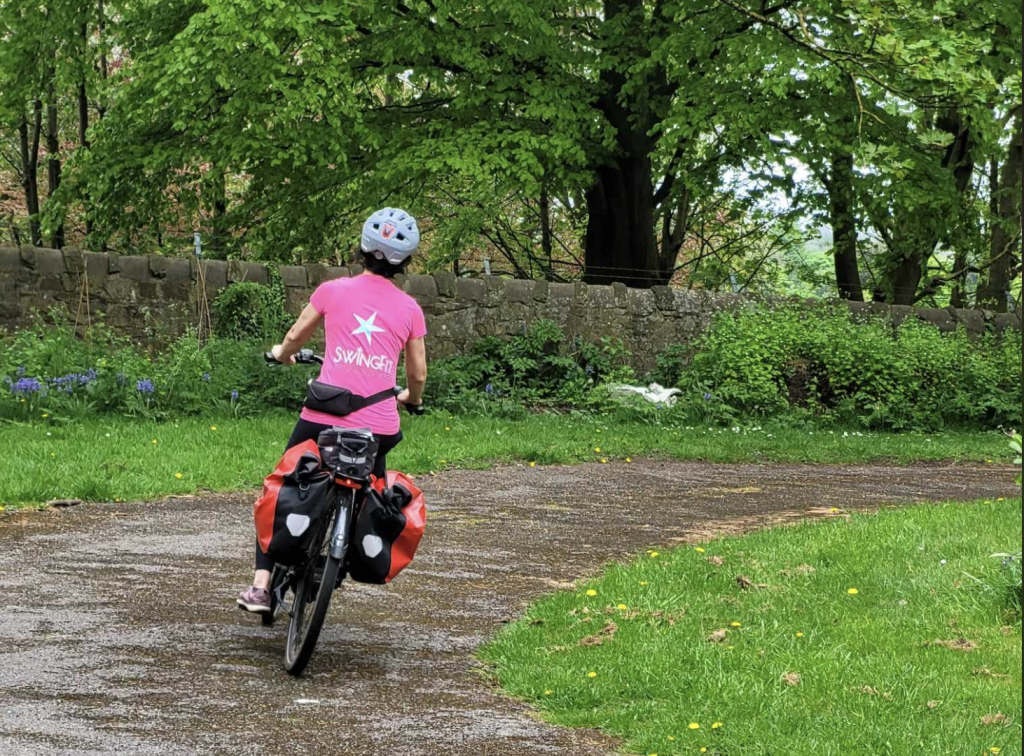
    How did you feel as a beginner? What advice can you give me? For the past 12 weeks, I’ve been gearing up to learn to ride a bicycle. With just one week left before I push myself even further by cycling with others in Bordeaux, I’m feeling a mix of excitement and nerves. It’s one thing to practice on a spacious, empty running track, but the thought of navigating real-world scenarios makes my heart race and my mind conduct a constant risk assessment.

    Learning to ride a bike as an older adult has been both challenging and enlightening. It’s made me reflect on what it feels like to be a beginner again, and how our fears can sometimes be exaggerated. This experience has also reminded me of when I first started dancing. Many of us felt awkward and self-conscious, worrying about making mistakes or looking silly.

    However, just like with dance, each wobble on the bike is a step towards gaining confidence. It’s all about persistence and allowing ourselves the grace to be imperfect. Our fears often stem from the unknown and the pressure we put on ourselves to get it right the first time. But remember, it’s okay to make mistakes – that’s how we learn and grow.

    In dance, as in cycling, it’s important to focus on the joy of the activity rather than the fear of failure. When we let go of our fears, we open ourselves up to new experiences and the chance to build wonderful memories. So, whether you’re learning to ride a bike, starting a new dance routine, or trying something completely different, embrace the journey and the lessons it brings.

    I’d love to hear your experiences and any tips you might have! What advice can you share about overcoming the fear of being a beginner? Let’s support each other in stepping out of our comfort zones and discovering the joys that lie beyond.


  7. 6 or 8 Count?

    July 1, 2024 by Joo-Lee

    Are you a fan of ‘6-count’ patterns, ‘8-count’ patterns, or do you love to mix it up a bit? Remember, you always have options, especially if you’re leading the dance. If you’re following, we encourage you to let go and enjoy the flow. Forget about thinking ahead and just bounce in sync with your partner, feeling the rhythm and movement. My motto for following is simple: “Feel more and think less.”

    For those leading the dance, ‘6-count’ and ‘8-count’ patterns are great for practice, but remember that Lindy Hop is based on a 2-beat count.

    If you wish to be in 6 or 8 count for the entire dance, that’s perfectly fine. If you have no idea whether you are dancing in phrases of 4, 6, 8, 10, or 12 beats when social dancing, that’s fantastic as it doesn’t matter!

    In class, just count along or scat with your teachers and fellow dancers. Don’t overanalyse as too much thinking can be distracting.

    A crucial tip: resist the urge to assess your own dancing skills (and that of your partner’s 😉). Self-assessment and being assessed can be incredibly distracting. The best way to improve is to simply show up, enjoy the classes, and immerse yourself in the dance.

    If you have musical skills from other genres, try not to overthink how jazz phrasing fits with the 6 or 8-count practice patterns. And if you’re more familiar with melodies than rhythms, focus on tuning into the rhythm.

    Above all, keep moving, keep counting, and keep smiling. Enjoy every moment on the dance floor and remember to think less and feel more!

    Happy dancing!


  8. FREE Private Lindy Hop Lessons with Lindy Jazz

    November 28, 2023 by Joo-Lee

    I wanted to share with you an incredible opportunity that Andy and I discovered as a game-changer in our dance journey—private lessons. While attending classes worldwide and subscribing to dance videos was amazing, the true magic happened when we sought feedback.

    We invested in private sessions with instructors from different corners of the globe. Their insights opened our eyes to things we couldn’t see on our own, accelerating our learning in ways we never imagined.

    Learning independently is fantastic, but sometimes, there are blind spots we’re unaware of. That’s why seeking feedback is an essential part of your Lindy Jazz course. That’s why we’re offering FREE Online Private Lessons!

    Even if you’re unable to attend all six weeks of the next course, worry not! You’ll receive online feedback as part of your Lindy Jazz course.

    Here’s a fantastic example: I’ve obtained permission from Terry to share a video that immensely benefits everyone. If you’re comfortable sharing your videos with the group, feel free to post them. However, if you prefer a more personalized approach, I’m offering exclusive private online feedback sessions. Just send your video to me privately via messenger.

    This special offer aims to take your skills and provide tailored guidance to refine your dance techniques.

    Keep dancing, learning, and don’t miss out on this exclusive opportunity!

    Remember, getting feedback is the best way to improve and refine your skills. Keep dancing and learning!


  9. What Level Are You?

    May 12, 2023 by Joo-Lee

    Swing dancing is a fun and exciting activity that has been around for decades. While many dance styles have formal levels, swing dancing takes a different approach.

    At Lindy Jazz, we believe that swing dancing is all about social dancing and having fun, rather than exams or competitions. Therefore, we don’t refer to levels in our teaching.

    Instead of asking dancers what level they think they are, we ask if they have TIME to learn. Our courses are designed for those who have carved out a little time to learn a new skill.

    We have two classes on Wednesday evenings:

    19:30 for everyone including New Dancers

    20:30 for Experienced Dancers.

    New Dancers are those who are new to swing dancing or still feel unfamiliar with the moves. Experienced Dancers, on the other hand, have had the opportunity to attend classes and more importantly, the time to practice and become familiar with the moves.

    Our swing dancing courses are offered as 6-week face-to-face classes, with additional support such as detailed videos showing the moves, as well as a private Messenger group where you can get answers to your questions in between classes.

    We believe that the best way to learn swing dancing is by dancing with others, which is why we offer classes on Wednesdays in Durham.

    You’re welcome to join the 19:30 class, open to everyone, including New Dancers. If you’ve got extra time, extra energy, extra headspace (yes, extra!), and some prior dance experience, feel free to stay on for the Extra Class designed for Experienced Dancers.

    At Lindy Jazz, we believe that swing dancing is for everyone, regardless of their level. Whether you’re new to swing dancing or an experienced dancer, we have a class that’s right for you.

    Come join us for a fun and exciting experience that will have you dancing in no time!

    See more details of the next Lindy Jazz course here: https://bit.ly/lindyjazz


  10. No Longer Thinking About It

    July 14, 2022 by Joo-Lee

    Lindy Hop, Brass Festival Durham, Lindy Jazz

    No Longer Thinking About It

    Often when you learn something new, it’s tempting to want to fast forward past the bits you don’t find so entertaining to the bits that you do. Swing dance is no exception.

    Many members want to skip the repetition and practising on their own so they can dance with a partner straight away because it’s more fun.

    But I would say for best results, train yourself, don’t just entertain yourself! If you find some time to practise on your own first, you’ll enjoy partner dancing even more.

    This is because the more solo practice you do, you’ll find that the steps come automatically when you dance with a partner.

    Don’t Skip the Practice and Repetition

    When you first discover a new move, technique, or concept, you’ll find that you have to think about it. Partner dancing is like that. If you’ve never danced with a partner before, it can feel very unfamiliar. When something is unfamiliar, we can feel uncomfortable, confused, and anxious.

    Even if you have danced with partners for a long time, if you’re a follower, dancing with a different leader will always be an adventure. Leaders have a bit more control, but if you dance with different followers, you don’t know how well they’re going to be able to follow you.

    This is why the key to feeling uncomfortable when things are unfamiliar is to have something that is familiar to you. Something that you can control, like your own footwork.

    That’s why practice and repetition is so important because it’s the only way you will be able to dance with ease and no longer think about it. So not just constant practice but the right kind of practice will help you build muscle memory, and once your 8 counts are automatic, you won’t be thinking about them all the time.

    Practise Until You’re No Longer Thinking About It

    I often say that it’s a bit like driving. It’s hard to focus on the traffic if you are thinking about where the gears are. It’s hard to react to unpredictable drivers if you are in an unfamiliar car and you don’t know where the indicators are. When you drive your own car, you’re not even thinking about anything. You just get in the car and sometimes, you don’t know how you got home. It’s because you’re no longer thinking about it.

    This is the point you need to get to with your Swing dancing. If you find you’re still thinking while you’re dancing, then you have some more work to do!

    Want to dance with style and confidence?

    Join me for the next course, packed with useful practice tips and supplemented with easy to follow videos that break things down step by step. Over 6 weeks, you’ll get the tools you need to excel in Swing dance, whether you’re dancing solo or with a partner.

    Find out more.