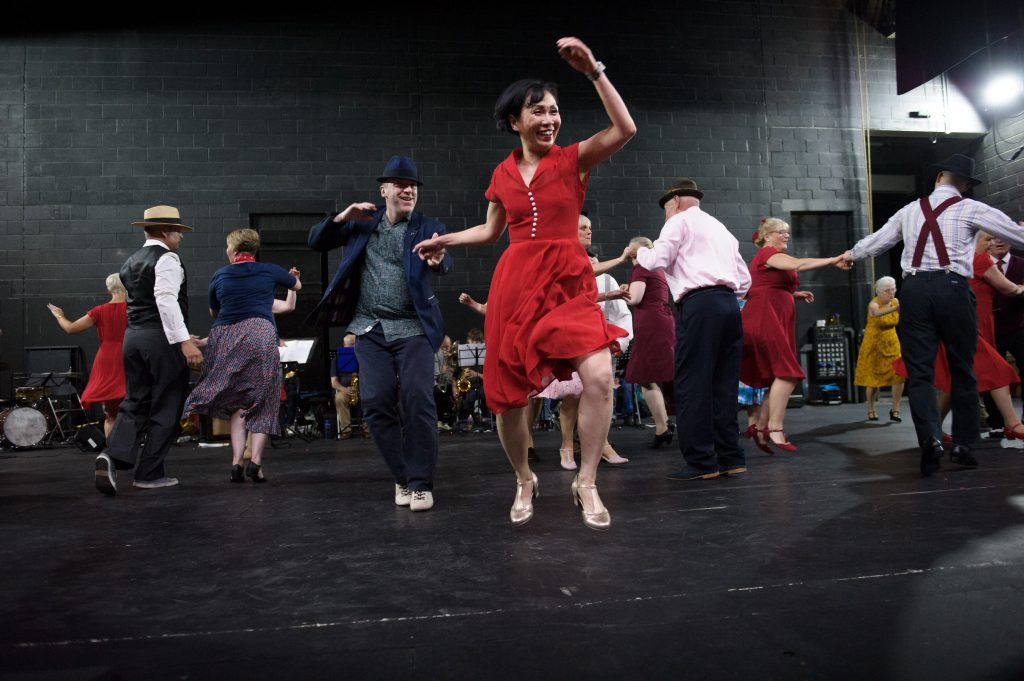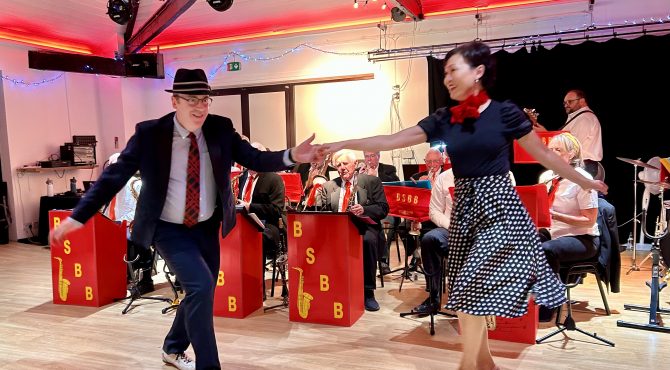
When I turned 30, which feels both like yesterday and a lifetime ago, I had one of those thoughts many people recognise.
I really should do some exercise.
Like a lot of people, a milestone birthday made me think about my health and wellbeing. The trouble was, I’d never found any kind of exercise I actually enjoyed. I didn’t like sport — I never understood the rules, I wasn’t competitive, and I definitely wasn’t interested in exhausting myself just for the sake of it.
And just to be clear — I didn’t consider myself a dancer.
Apart from a brief and fairly disappointing spell with ballet at the age of eight, dancing wasn’t something I did. I certainly wasn’t the person who got up and danced at parties. If there was dancing happening, I was usually quite happy watching from the sidelines.
I tried the gym briefly in my late twenties, but it didn’t stick. The repetition bored me and I felt disconnected from what I was doing.
What I did know was that I loved music.
So I thought, why not try dancing?
It felt like it might combine movement, music — and hopefully meeting people too.
Discovering Lindy Hop
I started by going along to Dance City in Newcastle, where you can try lots of different studio classes. I sampled a few styles, then discovered partner dancing — first modern jive, and shortly after, Lindy Hop.
Not long after that, a London group called the Jiving Lindy Hoppers came to County Durham to run a week-long workshop. That week changed everything.
I completely fell in love.
Lindy Hop felt joyful and free. It didn’t feel formal or intimidating. It wasn’t about perfect lines or being watched. It was social, playful, and rooted in music. You danced with lots of different people, and it felt like a genuinely useful life skill — something you could do at parties, weddings, or whenever there was live music.
Best of all, it didn’t feel like exercise at all.
Which meant my motivation skyrocketed.
When There Was Nowhere Local to Dance
At the time, there wasn’t much Lindy Hop happening locally. Once that week-long workshop ended, I couldn’t find anywhere nearby to continue.
I was a schoolteacher then, and while I enjoyed studio classes, nothing matched the spark I’d felt through Lindy Hop.
So I started travelling.
I went to Edinburgh and London — two or three hours away — just to dance. Along the way, I made friends who shared the same love of music and movement, and many of those friendships have lasted to this day. I still travel to Edinburgh now to dance with people I first met all those years ago.
Eventually, in 2007, Andy and I decided to create the thing we wished had existed locally.
Quite simply, we wanted the chance to dance with others in our own community and share this joyful dance in the North East. Andy also wanted the chance to DJ the swing music he loved — music that seems to lift you onto the dance floor before you’ve even thought about it.
What began as a single class of around 40 people grew over time into a thriving community, including the DJam Swing Dance Festival, which welcomed around 400 dancers each year.
How Dancing Changed Me (More Than I Expected)
Looking back, I don’t think I realised how sociable I actually was until I started Lindy Hop. People who knew me earlier might even say I was quite shy.
Learning this dance quietly but completely changed my social life — in the best possible way.
Lindy Hop only works if you dance with other people, so confidence grows naturally. You’re not put on the spot. You’re not performing. You’re simply sharing a few minutes of movement and music with someone else.
You meet kind, friendly people who love the same things you do, and over time, that changes how you see yourself.
I still wouldn’t describe myself as someone who loves exercise.
But I do love dancing.
Why I Still Believe Lindy Hop Is Worth Trying
That’s why I still believe so strongly in Lindy Hop — and why we run Lindy Jazz the way we do.
You don’t need rhythm.
You don’t need a partner.
You don’t need to be “a dancer”.
You don’t even need to feel confident.
You just need a little curiosity and a willingness to give it a go.
If you’ve ever thought “I should do some exercise” but nothing has ever quite felt right…
If you love music but don’t see yourself as a dancer…
If you’d like something sociable, joyful, and gently confidence-building…
You don’t have to be a dancer to start dancing.
Check out the next Lindy Jazz course here.
If you’re curious, you’d be very welcome to join us!