‘Dance’ Category

  1. Social Dancing in Hot Weather: Why Flexibility Matters

    June 23, 2026 by Joo-Lee

    Social dancing is not about proving how much you can do.

    It is about enjoying the music, connecting with another person, looking after yourself, and finding ways to adapt.

    This is especially important when the weather is hot, the room temperature is high, you are feeling tired, or the music feels too fast. There is always a way to make the dance work for you.

    You Don’t Have to Dance The Whole Song
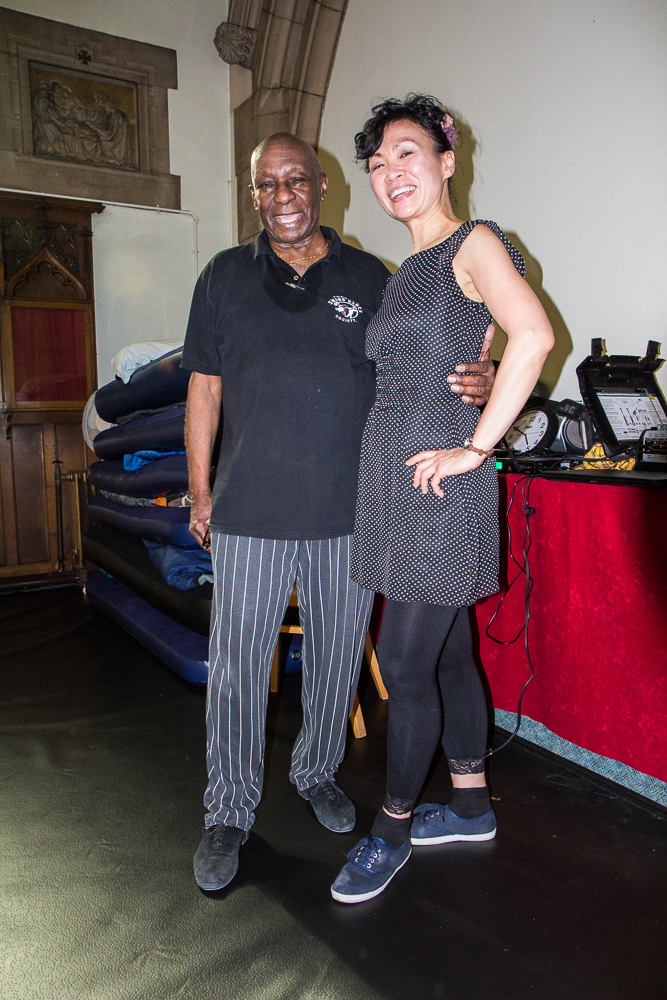
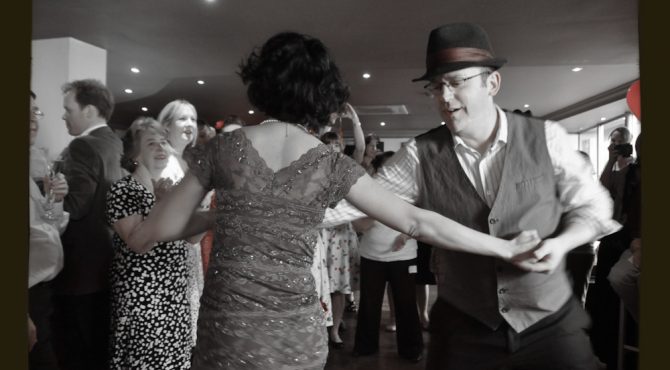
    Chazz Young with Joo-Lee Lewis at a social dance

    One story comes to mind.

    Many years ago, I had the pleasure of dancing with Charles ‘Chazz’ Young, son of the legendary Frankie Manning. Chazz was in his 80s at the time, and after travelling and teaching a full day of workshops, he showed such wisdom in how he paced himself.

    At the time, Chazz was in his 80s. He had travelled some distance to the event, taught during the day, and was still there in the evening, enjoying the music and the company.

    When I asked him to dance, he said something very simple and very wise.

    “Just wait for a bit, and we’ll dance partway through the song.”

    I have never forgotten that.

    There was no fuss. No apology. No need to explain. He simply knew how to pace himself.

    How to Adapt When the Music Feels Too Fast

    That is such a valuable lesson for all social dancers, especially if you are newer to Lindy Hop.

    You do not have to start dancing at the very beginning of a song.

    If you love the music but it feels too fast, you can wait and join in halfway through. You can even dance the last part of the song. A short dance can still be a joyful dance.

    Keep It Simple When the Room Is Hot

    If the room is hot, you can keep your movements smaller. You can choose simpler steps. You can leave out the turns. You can take a break. You can say yes to one dance and no to the next. You can enjoy watching, listening, clapping along, or chatting with friends.

    That is all part of social dancing too.

    Sometimes dancers feel they have to keep going from the first beat to the last, but that is not true. Experienced dancers often know how to adapt. They listen to their bodies, read the room, feel the music, and make sensible choices.

    Dancing well is not always about doing more. Sometimes it is about doing less, but doing it with ease, confidence and enjoyment.

    Finding Fun Ways to End a Dance

    In this week’s Lindy Jazz classes, we will be exploring this idea in a practical and playful way. We will look at how to adapt during hot weather and how to enjoy the dance without overdoing it.

    We will also be looking at different ways to identify the end of a song and create a fun ending.

    Different Types of Song Endings

    Not every song finishes in the same way. Some songs have a clear, abrupt ending. Some fade out. Some have a false ending where you think the music has finished, but it starts again. Some have an extended ending that gives you time to play, pause, pose, or simply enjoy the final few beats.

    Learning to hear these different endings can help you feel more confident on the social dance floor. It also gives you more choice. You do not have to panic when the music changes. You can listen, respond, and have a bit of fun with it.

    Social Dancing Is About Choice, Not Pressure

    So, if you are dancing in hot weather, feeling tired, or facing a song that feels a little too fast, remember Chazz’s wise example.

    • Wait a little.
    • Join in when you are ready.
    • Dance part of the song.
    • Keep it simple.
    • Enjoy the music.

    Social dancing is not about pushing through. It is about adapting, connecting and finding joy in the moment.

    And sometimes, the best dance is not the longest one. It is the one that leaves you smiling at the end.
  2. I Don’t Remember Anything!

    April 13, 2026 by Joo-Lee

    It’s something I hear all the time in Lindy Hop classes…

    “Our course starts next week… oh my goodness, I don’t remember anything!”

    If that’s you, let me reassure you straight away, you’re not supposed to remember anything at all.

    That might sound surprising, especially if you’re new to Lindy Hop or returning after a break. But here’s the truth about learning to dance, and especially about remembering dance steps…

    You can’t remember what you haven’t fully taken in.

    And that’s where attention comes in.

    Why You Feel Like You Don’t Remember Anything from Your Dance Class

    When you’re in a dance class, your attention is often pulled in lots of different directions at once.

    You might be thinking:

    • “Am I getting this right?”
    • “I need to keep up”
    • “Everyone else looks better than me”
    • “My feet won’t do what I want!”

    At the same time, you’re trying to follow the teacher, copy the steps, stay on the music, and maybe even smile at your partner.

    That’s a huge amount of mental load.

    When your attention is scattered like this, your brain simply can’t absorb and store what you’re learning. So it’s not that you can’t remember, it’s that your brain didn’t get a clear chance to take it in in the first place.

    The Simple Shift That Changes Everything

    Instead of trying to do everything at once, give yourself permission to focus on just one thing.

    That’s it. One thing.

    It could be:

    • Listening carefully to what the teachers are saying
    • Feeling the rhythm of your steps
    • Noticing how your body is moving
    • Simply keeping moving, no matter what

    When you reduce the noise in your mind, something lovely happens… your body starts to learn more naturally, and your memory begins to build without you forcing it.

    Let Go of Self-Criticism

    One of the biggest barriers to learning Lindy Hop with confidence is self-critique.

    Constantly assessing yourself, comparing yourself to others, or worrying about getting it “right” creates interference. It’s like trying to tune a radio while someone is shouting over the top of it.

    Instead, try this mindset:

    • You don’t need to get it right
    • You don’t need to remember everything
    • You just need to stay present and keep going

    A Better Goal for Your Next Lindy Hop Class

    Next time you walk into your swing dance class, forget about remembering steps.

    Your goal is simple:

    • Focus on one thing
    • Keep moving
    • And acknowledge yourself for showing up

    Because showing up is where confidence in dance begins.

    And over time, without you even realising it, the steps will start to stick, your body will feel more familiar, and you’ll find yourself remembering more than you ever thought possible.

    If you’ve ever said “I don’t remember anything”, you’re actually right on track.

    Keep going!


  3. Adapting in Social Dance: The Best Way to Support Beginners in Class

    March 2, 2025 by Joo-Lee

    Dancing is All About Adapting

    If you’ve been dancing for a while, you’ve probably been in a class where a new beginner is struggling with the steps. Your instinct might be to step in and offer some guidance—to explain the move differently, correct their footwork, or give them extra tips. After all, you just want to help, right?

    I completely understand your good intentions, but here’s something to consider: when an experienced dancer starts ‘teaching’ a beginner in class, it can actually have the opposite effect. Instead of feeling supported, the beginner often feels overwhelmed, confused, or even discouraged. They might worry they’re doing everything wrong, feel pressured to get it ‘right’ immediately, or even dread coming back.

    Focus on Your Own Learning Instead

    Instead of focusing on the new person’s learning, shift your focus to your own. How well can you adapt to your new partner? Social dancing isn’t about perfecting steps or performing—it’s about adapting. Adapting to different partners, different energy levels, different interpretations of the music.

    Each time you dance with someone new, challenge yourself to adjust your movement to connect with them. Can you match their timing? Can you sense their comfort level and create a dance that feels good for both of you? Instead of trying to ‘fix’ their dancing, see how well you can adapt to the moment.

    Why ‘Helping’ Can Be Counterproductive

    When you correct or explain things in your own way, you’re introducing a different perspective than what the teacher is presenting. This can contradict the lesson, disrupt the flow of the class, and leave the beginner unsure of who to listen to. It also takes them out of the natural learning process—making mistakes, experimenting, and gradually improving at their own pace.

    The Best Support You Can Give

    Instead of instructing, correcting, or ‘helping’ during class, try these instead:

    Smile warmly and encouragingly – Let them know it’s okay to stumble. Every dancer has been there!

    Allow mistakes to happen – It’s all part of the learning process. Trust that they will improve with time, just like you did.

    Be a friendly presence – If you want to support a beginner, the best time to do so is before or after class. A simple chat, a kind word, or a shared laugh about the learning journey can make them feel truly welcome.

    Dancing is All About Adapting

    At the heart of social dancing is the ability to adapt—not just to different music, but to different partners and even to your own energy levels, which may change from week to week. The best dancers aren’t the ones who execute perfect moves; they’re the ones who can adjust, connect, and make every dance enjoyable for themselves and their partner.

    So next time you dance with a beginner, resist the urge to teach—simply enjoy the dance, offer a warm smile, and let them discover their own way. Your patience, encouragement, and ability to adapt will do far more to support their learning than any technical tip ever could. 💛


  4. Train Your Feet, Train Your Mind – Dance for Joy!

    February 19, 2025 by Joo-Lee

    Lindy Jazz Events

    Dancing isn’t just about learning steps—it’s about letting go and enjoying the moment. But sometimes, our minds get in the way. We compare ourselves to others, worry about making mistakes, or feel embarrassed when things don’t go as planned.

    Here’s the truth: embarrassment is self-inflicted. Your mind creates fear where there is no real danger. No one is judging you, and no one remembers if you fumble a step. But if you let that fear take over, you’ll miss out on the joy of dancing.

    Your mind loves problem-solving. So, instead of letting it convince you that you are the problem, give it something useful to focus on—like a dance move, the rhythm, or simply having fun. Or better yet, shift the focus away from yourself entirely. Look around—see someone sitting out who looks like they’d love to dance? Take a moment to invite them onto the dance floor. Getting past your own fears to help someone else can be just the thing to remind you that dancing is about connection, not perfection.

    Often, our fears come from linking dancing with performing. But at Lindy Jazz, we are not performing—we are social dancing. There is no audience, no pressure to impress, just a shared love for swing music and good company. That’s what we mean when we say we dance for fun.

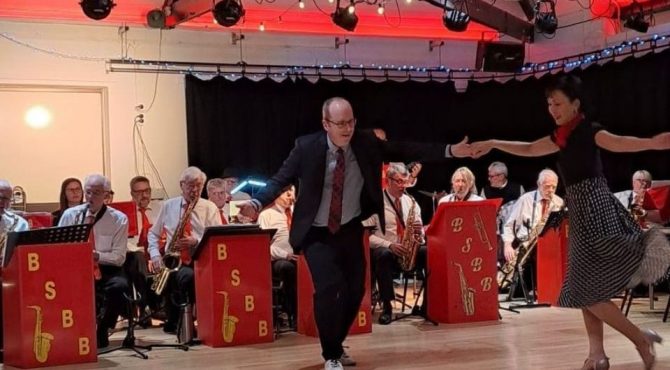
    Let’s put this into practice on 12 April at our Swing Dance Night with the Bright Street Big Band and DJ Andy. Step onto the dance floor, focus on the music, and remind yourself—there’s nothing to fear, only fun to be had!


  5. Embrace the Full Experience: The Value of Committing to a 6-Week Lindy Jazz Course

    July 7, 2024 by Joo-Lee

    We’re all excited about our upcoming cruise this summer! Just as this holiday promises an all-inclusive experience where everything is taken care of, our 6-week Lindy Jazz courses offer a complete and rewarding learning journey. Here’s why committing to our courses can be just as wonderful as our all-inclusive holiday!

    The All-Inclusive Holiday Experience

    Think about the cruise where your room, food, drinks, activities, and excursions are all included. You can choose to enjoy as much or as little as you like. Some might eat and drink more, while others might join in more activities. The best part is having the freedom to balance your experience, making sure it’s enjoyable and not overwhelming.

    Remember, you don’t need to eat and drink everything on holiday or attend every class in the course or learn every move. You have choices!

    Our 6-week Lindy Jazz courses are similar. When you commit to the full course, you get:

    • Consistent Learning and Skill Building: Just as you wouldn’t want to miss any part of an all-inclusive holiday, the continuity of a 6-week course ensures you don’t miss important learning moments. Each week builds on the previous one, allowing you to improve steadily.
    • Dedicated Community: Being part of a group that commits together enhances the learning experience. You grow and improve alongside your peers, creating a supportive and motivating environment.
    • Comprehensive Resources: Our courses are not just about attending weekly classes. You get access to online videos to recap moves, a private Facebook Messenger group for any questions, and optional online feedback on your practice videos. This complete approach ensures you have everything you need to succeed.

    The Drawbacks of Dropping In and Out

    In the past, we offered drop-in classes where dancers could come and go as they pleased. While this might seem flexible, it didn’t provide the same level of improvement that our 6-week courses do. Dropping in and out disrupted the flow of learning, making it harder to build a strong foundation and progress consistently.

    The Power of Commitment

    Those who have committed to our 6-week courses have seen big improvements in their dance skills. Here’s why:

    • Structured Learning Path: Each class is part of a well-planned curriculum that ensures you learn the basics and build on them week by week.
    • Reinforcement and Practice: With access to online materials, you can practise between classes, reinforcing what you’ve learned and coming back stronger each week.
    • Personalised Feedback: Our private Facebook Messenger group and optional video feedback provide chances for personalised guidance, helping you refine your technique and overcome challenges.

    What You Get in Our 6-Week Courses

    To remind you of the fantastic value included in our 6-week courses, here’s a breakdown of what you receive:

    • For all levels: 19:30 – 20:15 Swing Dance Fundamentals
    • For Experienced Dancers: 20:15 – 21:00 Extra Class
    • Access to online videos to help you recap the moves between classes or catch up in case you couldn’t attend
    • Access to a private Facebook Messenger group so you can ask about anything!
    • Optional online feedback on your practice videos

    Final Thoughts

    Just like the cruise, our 6-week courses are designed to be an all-inclusive experience where you get the most out of your time and effort. Committing to the full duration allows you to truly immerse yourself in the learning process, ensuring you walk away with significant improvements and a deeper understanding of Lindy Jazz.

    We encourage each of you to embrace this commitment. Whether you can attend every class or master every move, the journey itself will bring about amazing results.

    Click here to see the details of the next Lindy Jazz course.


  6. Dancing is like Speaking

    March 26, 2024 by Joo-Lee

    One thing I’ve found when people are learning to partner dance is they want to do everything amazingly well straight away. They’ve seen the performances on ‘Strictly’ and the brilliant dancers on YouTube who make it look so effortless, and they want to fast forward to dancing like that.

    Everyone thinks about the process of learning to dance very differently. For me, I think of the learning of dance as being exactly the same as learning language and communication skills. When you’re little, you don’t go from not being able to talk to suddenly having clever conversations. You start with the basics and then you advance over time; first you have to master the alphabet, then you form words, then basic sentences, and eventually, you master the clever conversations.

    Start with the building blocks-learn the alphabet

    So for example when a brand new beginner comes to learn to partner dance, we would normally teach them the alphabet; those basic moves and steps like the rock step, walking, or swinging your arms. Just like when learning to talk, before we put words or sentences together and learn higher level skills, we need to learn the basic foundations.

    Don’t expect to run (or dance) before you can walk-form the words 

    When our dancers are right at the beginning of their dance journey, we encourage them to manage their expectations. It’s important that they don’t expect to be able to lead and follow or display those higher level skills just yet. Using the learning to talk analogy, when we learn the alphabet, it doesn’t teach us how to have a coherent conversation or join words together. We need to practise the alphabet then eventually form words. So when learning to partner dance, you need to practise the basics on your own, whenever you get the chance. Repetition and patience is the key.

    Forget the clever conversations-begin with short sentences

    If you’re doing a 6-week Lindy Jazz course, by week 3 you might be at the point where a few moves are coming together. But we will always encourage you not to stray from getting the basics right and expecting to master higher level skills too soon. This is the same as expecting to go from learning a few words here and there to having a clever conversation. This puts far too much pressure on you way too soon and it can take the fun out of learning to dance. Be patient; the clever conversations will come. Focus on mastering the basics, repetition, and having fun. The clever bits will come in time.

    Dance is not performance, it’s communication

    That’s why we run the 6-week courses. Sometimes when people drop into a single class as a one-off, they expect to be able to master things straight away. Others may see dance as merely a performance, like an actor learning a new language so they can perform in a French play. This is because we see so much dance on social media and television, it’s easy to think that learning to dance is a means to an end. The end goal being a performance.

    Here at Lindy Jazz, we think of dance as learning a skill and using that skill to communicate.  We don’t teach our dancers to memorise choreography, we teach them the alphabet, the words, the sentences, and the structure so they have the freedom to express themselves and communicate with those who are on the same wavelength and speak the same language.

    Learn to speak the language of dance-the right way

    You can’t learn a language by reading a book or watching videos. You have to speak it and be immersed in it. That’s why we create a friendly and relaxing environment for everyone to learn a few dance steps, stumble, feel uncoordinated, and make mistakes along the way. Just like when you’re learning a language. It takes time to be fluent, and mistakes and feedback are all part of the learning process.

    So book a place on our next 6-week course and learn the language of dance the right way. Join us for fun, relaxing, and enjoyable experience that will help you build some solid foundations for the next steps on your dance journey.


  7. How Do The Lindy Jazz Courses Work?

    September 30, 2023 by Joo-Lee

    We’d like to thank Vivienne, one our Lindy Jazz members for her views on how it all works!

    Is everyone in the class really good already?
    When I was a beginner, my main goal was simply to learn to swing dance to fabulous music. I wasn’t concerned about whether others were better dancers than me—I just wanted to gather the courage to go on my own. It was a personal achievement I aimed for, and thanks to Joo-Lee, Andy, and my fellow dancers, I felt incredibly welcome.

    Will I be the oldest or the slowest in the class?
    Personally, I didn’t worry about the age of my fellow dancers. When I first attended, the class had a diverse range of ages, so I never felt uncomfortable.

    How long does it take to be able to dance?
    There isn’t an exact timeframe for this. We learn foundational steps that serve as building blocks for more complex routines and moves. Personal attitude plays a role too—learning to relax, not being too critical of yourself if things don’t go perfectly, and embracing the freedom to express your own personality through dance. With Joo-Lee and Andy, there’s no pressure to get it right immediately. Dancing is an exciting, ongoing journey.

    Are the Lindy Jazz courses suitable for beginners?
    Absolutely! Lindy Jazz courses are specifically designed for beginners. The learning pace is relaxed, breaking down everything from basic steps to counting beats, rhythm, and the unique style of Lindy Jazz. Supportive videos recap the steps, and Joo-Lee and Andy are excellent, approachable teachers who are always happy to help with any dance-related questions.

    What is the Extra Class?
    Extra classes are suitable for anyone with extra time, extra energy ,extra dance experience, extra patience and want extra moves. At Lindy Jazz, there are no assessments, that’s why you won’t hear us talking about ‘levels’. It’s all about the amount of time, energy and patience you have on a Wednesday evening!

    If I can’t attend every class in the course, will I fall behind or miss out?
    Not at all! We provide recap videos via an online link that you automatically gain access to when you start the course. Additionally, there’s a Messenger group where you can watch videos or share supportive messages with other dancers. You’ll also receive emails about upcoming workshops and social events, ensuring you stay connected even if you miss a class.

    What is a Jazz Social?
    It’s your chance to: 🎷 Enjoy DJ Andy’s amazing swing playlist
    🕺 Relax, dance, practise or just soak up the atmosphere
    🌙 Every Wednesday in the summer courses 21:00-22:00
    Just £4 on the door or free if you’re a course member.

    Learn to swing dance with Lindy Jazz courses. Easy basics for beginners and exciting moves for experienced dancers.

    Sign up here to receive occasional emails from Lindy Jazz with updates and upcoming courses.


  8. Mind the Gap!

    July 19, 2023 by Joo-Lee

    If someone asked you, ‘how long have you been dancing?’, what would you say?

    For me, it’s not an easy question to answer! I started dancing 30 years ago, but I didn’t dance consistently. But thanks to a local council that organised an incredible week-long dance summer school in 1993, I had the chance to learn to Lindy Hop. There began a wonderful journey that exploded my social life and helped me discover the joy of learning a fascinating skill.

    From Botching Ballet to Loving Lindy Hop

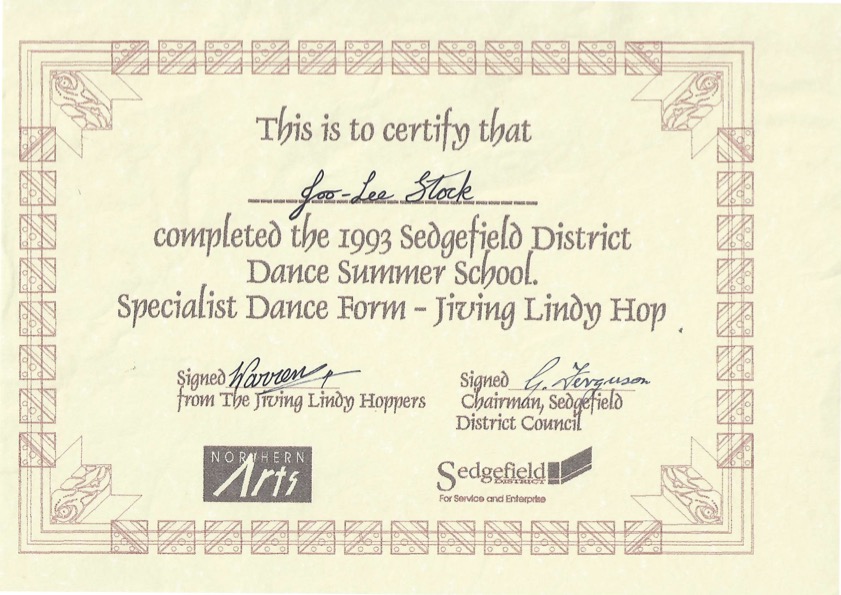
    It’s not conventional in the Lindy Hop community to issue certificates, so I am particularly pleased to have this certificate presented by Sedgefield District as it marks an important moment in my life!

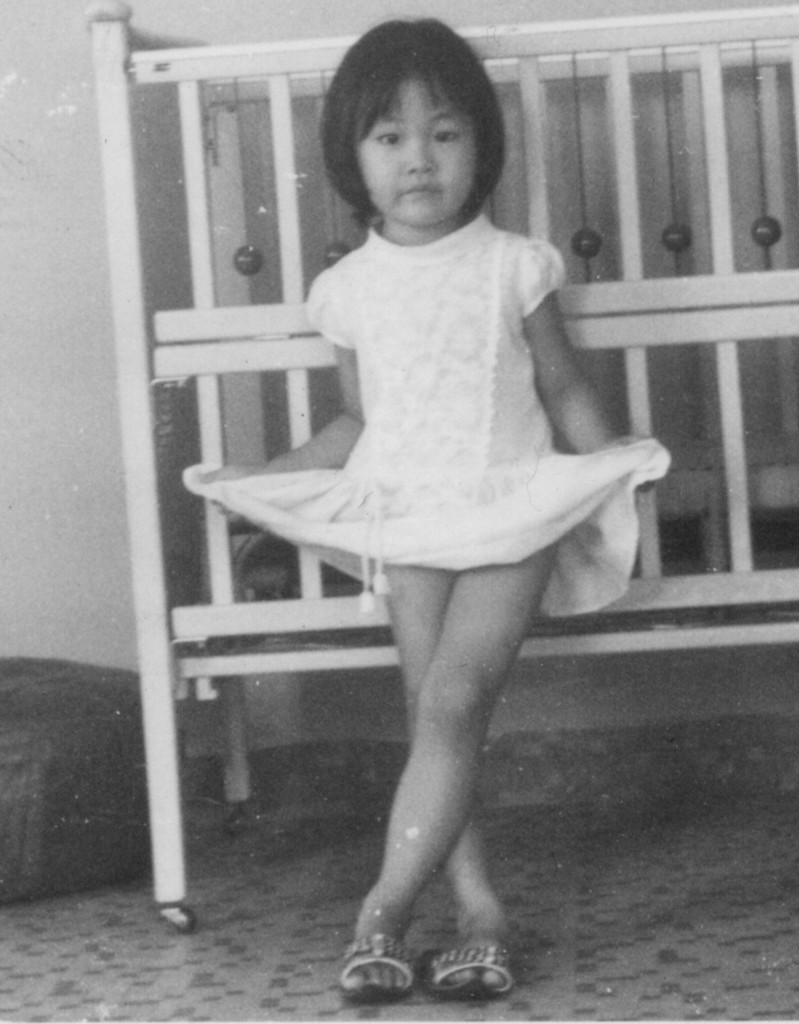
    When I started out on my dance journey, I had no dance experience at all, except for a couple of years of trying ballet back when I was a child, and discovering that it definitely was not my forte!

    Ballet was not my forte!

    So when the opportunity came along to try the Lindy Hop at a local summer dance school, I jumped in with both feet. Not least because it was being taught by the world famous teachers from the London based company, the Jiving Lindy Hoppers.

    It was an exhilarating experience learning to dance the Charleston and Lindy Hop from 9-5 every day for a week. I will always remember this experience of living and breathing dance, and being completely immersed in the art.

    That summer school reignited my passion again for all things dance and over the next 4 years, I tried out every social dance style available. But it was Lindy Hop, an incredibly social dance that influenced later dances like jive, that really captured my heart and led to an explosion in my social life.

    The Gaps in My Learning

    In 1999, in the days before virtual classes,  I started following the Lindy Hop dance scene around the world in an attempt to learn to dance with flair and confidence, but my learning was haphazard. I’d go to a one-week dance camp in Sweden and have no dance class or anyone to practise with when I got home. Or I’d attend a one-off class in London or Edinburgh when I could take time out.

    So for about 10 years, I stumbled my way through social dance events, feeling that I didn’t have the confidence I should have for someone who was so passionate about the dance.

    But one day, I realised that I hadn’t had 10 years of consistent or progressive lessons, feedback to check on my unhelpful habits, or the opportunity to social dance or practise with a local scene. All the things I would have gotten if I’d attended great swing dance classes consistently.

    So how did I fill these gaps in my learning and become the confident social dancer I am today?

    The Basics aren’t Boring!

    I spent time building strong foundations, working on my basic moves and seeking private tuition from patient and knowledgeable teachers. Don’t be fooled into thinking that the basics are boring and aren’t ‘fancy’ enough. When learning to dance, many people are often impatient to build skills and they just want to fast forward to the stylish or complicated moves. But learning to dance well is about substance, not just style. If you have good foundations, fancy moves can easily be learned so much more quickly.

    Learn the Tools You Need to Dance with Confidence

    I had gaps in my learning so it took me a while to build confidence. But now I’ve developed a proven system to teach the foundations of the Lindy Hop to anyone who wants to dance with confidence and flair.

    Whether you are completely new to dancing or an experienced dancer who is feeling stuck or just can’t quite master something, my system can give you a clearer understand of technique and fill those gaps in your learning.

    In our Lindy Hop classes in Durham, we specialise in teaching those all-important foundations skills, because we believe that anyone who wants to experience the joy of dance shouldn’t be held back by gaps in their skills.

    Are you ready to learn the tools you need to dance with confidence?

    Here’s a free online course to get you started.

    Like what you’ve seen? Check out our next Lindy Hop course.

    Great dancing starts with good foundations.


  9. Have You Got 5 Minutes?

    October 7, 2022 by Joo-Lee

    It’s that time of year again, the nights are drawing in and Strictly Come Dancing is back on Saturday nights. Of course, I love watching it for entertainment, but it’s very interesting to watch it from a dance teacher’s point of view too.

    In Week 1, head judge Shirley Ballas had this to say to every contestant / celebrity:

    “The work is about to start! Work ethic is key. Pay attention to your teacher. And when you’ve done a long day, do some more. And the more practice you do, the better you will become.”

    Is Learning to Dance All About Hard Work?

    Learning to social dance is not the same as learning intensively in a short space of time for a reality TV contest or competition. Anyone watching Strictly might worry about how hard learning to dance might be. Or it might have the opposite effect. People who learn to dance for social reasons might think ‘well I’m not aiming to be on a show, so I don’t need to practise.’

    Well yes you can take small steps towards learning the moves by just turning up. But if you want to get a real buzz and a huge amount of joy from your dancing, it’s about more than just turning up.

    Bring an Attitude of Fun

    Shirley Ballas is right when she talks about hard work being the key to becoming a great dancer. But I think that getting the most from your swing dance classes is about prioritising fun.

    Is it fun learning to swing dance at Lindy Jazz? Yes! However, hard work is optional. It depends on how far you want to take your dancing. That’s the beauty of it, you choose your own journey!

    Always start with an attitude of fun, that is very important. The next layer of the foundation is PRACTICE. This does not mean you have to practice for hours on end every single day with a view to performing in front of millions every Saturday night like the contestants on Strictly. Though If you can set aside five minutes a day to practice, this will make a huge difference to your dancing progress.

    Have You Got 5 Minutes?

    Class members often tell me that they can’t remember what they’ve learnt in class. After a busy week of work and family commitments, and not a single minute of dance practice included in their busy schedule, that is no surprise.

    If you can find just 5 minutes per day to practice, the improvement in your confidence will be significant. That means you’ll arrive for week 2 ready to move your feet then when you learn about moving your arms in week 3, it will all feel so much easier!

    So an attitude of fun is desirable and hard work is optional, but practice is THE must do to get the most out of your Lindy Hop Classes.

    Why not take a small step to fitting more practice in to your schedule? Look at your diary, schedule in a 5-minute slot each day, and login to our online videos which are specially recorded to help you enjoy your practice.

    And as they say on Strictly, ‘Keep Dancing!’


    Want to join the next Lindy Hop course which includes practice videos and lesson recaps? Read more.


  10. Lindy Hop is a Skill

    July 1, 2022 by Joo-Lee

    Lindy Hop is a Skill

    Lindy Hop is a skill and just like with any skill, the more you practise the better you get.  You might find this hard to believe at first. When you first attempt to put the moves together, you may feel a little uncoordinated, not unlike Bambi on ice! But I promise that you will get better and better over time. We got so much better over time and you can too!

    Putting together your rock step, triple steps, groove walks, arm swing, turns, and partner connection is a SKILL. And that means you’re not going to master it overnight. But you will master it over 6 weeks if you follow our courses step by step. Be patient and embrace the process, it just takes time. Our course members all tell us that the 6 weeks seem to fly by as they’re having so much fun. After all, fun is what dancing should be all about!

    We don’t just get you to copy us in class and leave you feeling confused. We teach you the skills you need and we answer all your questions to help you get clear on the Swing Out so that you can dance with style and confidence.

    At last you can stop fudging your way through these exciting Lindy Hop moves!

    If you expect to be able to acquire a bunch of moves or ‘fast track’ to becoming a great dancer after just one class then this course is probably not for you.

    Mastery comes from action, repetition, and practice over time. Sometimes, people don’t like to hear this, but it’s true. So the question is, is this something you want to do?

    If you can find the time to attend weekly classes (or catch up online) over the next 6 weeks, then this course is for you!

    Are you ready to learn a new skill and experience the joy of Swing Dance?

    Check out our next course: Click here for details.